 +91 84849 90676
.cd78382e.png&w=48&q=75) info@artigenius.com
info@artigenius.com




Online Indian Classical Music Classes
hindi, English, Gujarati, Punjabi
Tutor
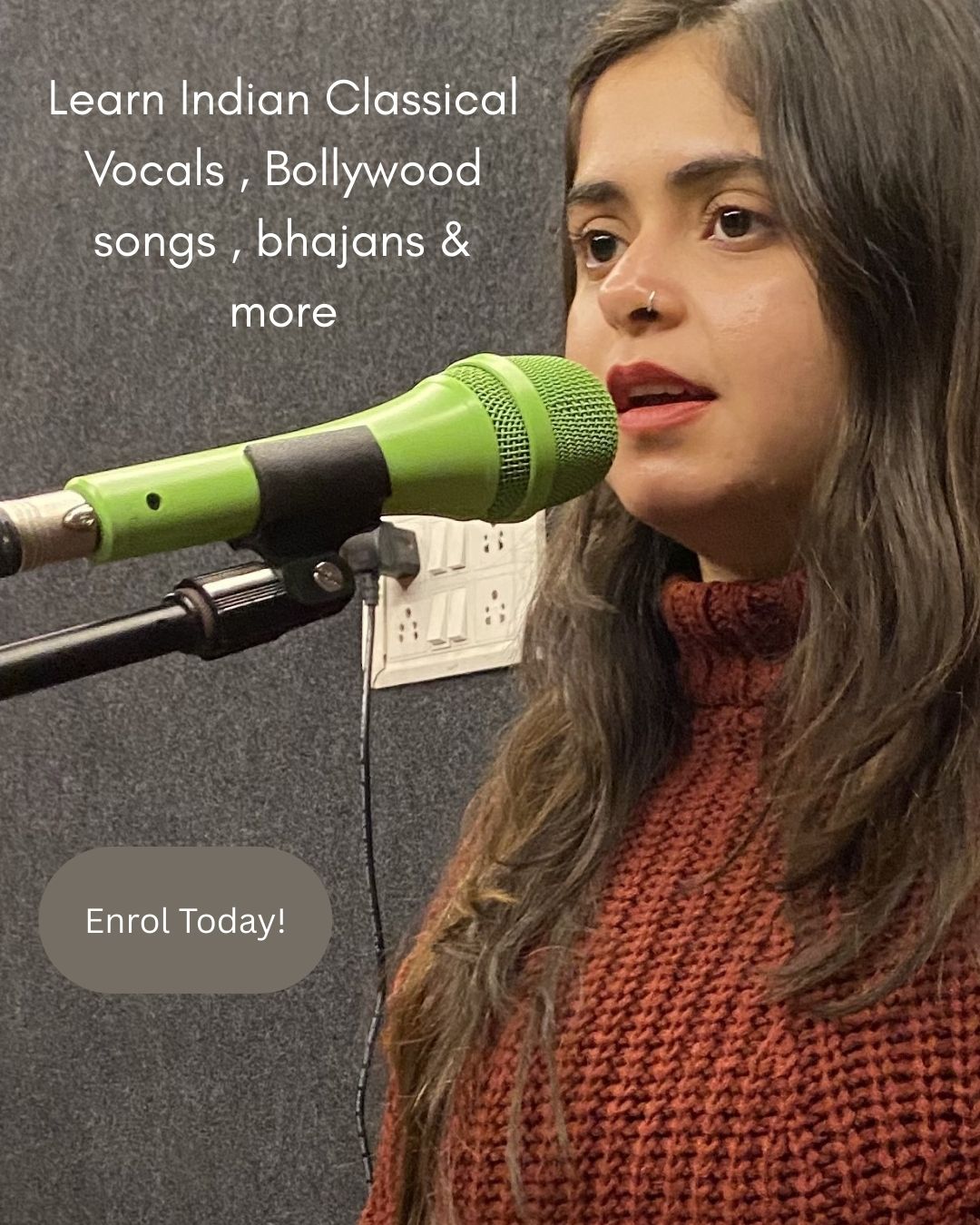
Bhavika Babani
(7 years Experience)
0 Reviews
Course Content
This course is designed for students who want to learn Indian classical music and build a strong foundation in traditional vocal training. These online music classes help beginners and aspiring singers understand the basics of Hindustani classical music while developing correct voice technique, pitch control, and musical discipline. Through structured online music lessons, students gradually learn the essential concepts of swaras, rhythm, ragas, and vocal practice while enjoying the depth and beauty of classical music.
Introduction to Indian Classical Music
The course begins with an introduction to the core principles of Indian classical music. In these online music classes, students learn about the importance of swar (musical notes) and how they form the base of melody. Learners practice swaras through simple exercises that help develop pitch accuracy and listening skills.
These initial lessons help students understand how classical music works and prepare them for deeper learning as they learn music online.
Swar Practice and Voice Development
Regular swar practice is an important part of classical training. During these online music lessons, students practice ascending and descending note patterns that strengthen voice control and improve pitch accuracy.
The course also includes voice culture exercises and breathing techniques that help singers develop a healthy and stable voice. These exercises improve vocal strength, clarity, and range while ensuring proper voice care during online music training.
Understanding Rhythm and Taal
Rhythm plays a major role in Indian classical music. In these online music classes, students are introduced to the concept of taal, which is the rhythmic cycle used in musical compositions.
Learners practice clapping patterns and rhythm exercises to understand how beats flow in music. This training helps students develop a strong sense of timing and coordination while singing.
Introduction to Ragas
Another key part of this course is learning the concept of a raga, which is the melodic framework used in Indian classical music. In these learn music online sessions, students understand how specific notes create different musical moods.
Beginners are guided through simple ragas so they can experience the structure and expression of classical melodies.
Developing Musical Discipline
Indian classical music also requires dedication and consistent practice. These online music lessons guide students in building a regular riyaaz routine that helps improve voice control, sur accuracy, and musical understanding.
Daily practice routines include swar exercises, vocal warm-ups, and simple compositions that help students gradually improve their singing ability.
By the end of these online music classes, students develop a strong base in Indian classical singing, including swar practice, rhythm understanding, and basic raga training. This course provides the perfect starting point for anyone who wants to learn Indian classical music and continue their journey in vocal music with confidence and proper guidance.
#OnlineMusicClasses #LearnMusicOnline #IndianClassicalMusic #OnlineMusicLessons #VocalTrainingOnline #RagaLearning #MusicForBeginners #SingingLessonsOnline #HindustaniMusic #MusicFromHome
Questions? Answers.
Do you have any other question?
1. Who can enroll in these online Indian classical music classes?
+These online music classes are ideal for beginners, hobby singers, and anyone interested in learning Indian classical music. No prior musical training is required to start. The course introduces the basics of swar practice, rhythm, and raga structure, making it suitable for students of all ages who want to learn music online with proper guidance.
2. What will I learn in this Indian classical vocal training course?
+In these online music lessons, students learn the foundations of Hindustani classical music, including swaras, rhythm (taal), basic ragas, and vocal techniques. The course also includes breathing exercises, voice culture training, and regular swar practice to improve pitch accuracy and voice control. By the end, learners gain a strong foundation in classical singing.
3. Do I need any prior experience to learn Indian classical music online?
+No prior experience is necessary. These online music classes start with the fundamental concepts of swar and simple note exercises. Step-by-step lessons gradually introduce rhythm, ragas, and vocal techniques, allowing beginners to build confidence and musical understanding while learning Indian classical music online.
4. How does swar practice help improve singing skills?
+Swar practice helps singers develop accurate pitch, better listening ability, and improved voice control. In these online music lessons, students practice ascending and descending note patterns that strengthen vocal stability. Regular swar training also builds the foundation required for singing ragas and performing classical compositions effectively.
5. What is the importance of rhythm and taal in classical music training?
+Taal is the rhythmic cycle that supports musical compositions in Indian classical music. In these online music classes, students learn rhythm through clapping patterns and beat-counting exercises. This training helps learners maintain proper timing and coordination while singing, which is essential for performing classical music confidently.
6. Will I learn ragas in these online music lessons?
+Yes, students are introduced to the concept of ragas during the course. A raga is a melodic framework that creates a particular musical mood. Beginners learn simple ragas through guided practice so they can understand note patterns and develop a deeper appreciation for Indian classical music.
7. How do online music classes help develop voice strength and clarity?
+Prompt: Act as an SEO expert and content strategist. Based on the following course content, generate the top 10 SEO optimized FAQs that potential students or customers are most likely to search for. Requirements: Questions should reflect real user search intent and common customer queries. Focus on improving SEO, website ranking, and user engagement. Use clear, conversational language suitable for a website FAQ section. Each answer should be 40 to 80 words and provide practical value. Naturally include relevant keywords from the course topic without keyword stuffing. Questions should cover areas such as course benefits, learning outcomes, eligibility, duration, pricing value, online learning experience, and career opportunities. Format the output as: Question Answer Ensure the FAQs are unique, informative, and optimized for featured snippets in Google search results. Course Content: Beginner Online Music Classes – Learn Indian Classical Music Online These online music classes are designed for beginners who want to learn music online while building a strong foundation in Indian classical music. Through structured online music lessons, students understand the basic principles of sound, swaras, rhythm, and vocal practice. This course combines theory and practical training so learners can develop musical knowledge, voice control, and confidence while practicing from the comfort of their homes. Introduction to Indian Classical Music In the beginning of these online music classes, students are introduced to the fundamentals of Indian classical music. Learners explore the concept of Nad (sound), which is the basic source of music. They also understand Shruti, the microtones that form the foundation of musical notes, and Swar, the musical notes used in compositions. Students also learn about Saptak, which represents the three octaves used in Indian classical music: Mandra Saptak (lower octave), Madhya Saptak (middle octave), and Taar Saptak (higher octave). Understanding these concepts helps students recognize pitch and vocal range during online music lessons. Understanding Swaras and Musical Structure Another important concept taught in these learn music online sessions is the difference between Shuddha Swaras and Vikrit Swaras. Students learn how these notes are used to create different ragas and musical expressions. The course also introduces the basic structure of Taal, which is the rhythmic cycle that supports musical compositions. Students learn popular taals such as Teentaal, Keharwa, and Dadra, helping them understand rhythm and timing while performing songs in online music classes. Alankar Practice To strengthen vocal control and note clarity, students practice Alankar, which are structured note patterns used for training. These exercises are an essential part of online music training because they improve pitch accuracy, voice flexibility, and musical understanding. Learning alankars also helps students develop better control over swaras while preparing them for more advanced classical music training. Breathing and Voice Culture Practical training begins with breathing and voice culture exercises, which help students improve voice stability and control. These exercises are important for maintaining proper vocal health while singing. Through regular practice in these online music lessons, students learn how to manage breath support, maintain pitch, and sing with clarity and confidence. Singing Swaras and Alankar Practice Students practice Shuddha Swaras using Aroh (ascending) and Avaroh (descending) patterns. This helps learners understand the movement of notes and develop a strong sense of pitch. They also practice Alankars in Teentaal, which combines note patterns with rhythm. This practice improves both musical timing and vocal accuracy in online music classes. Bhajans and Musical Expression To make learning enjoyable, students practice simple Bhajans and Geet during the course. Singing devotional or light compositions helps learners apply the swaras and rhythm they have learned in a musical context. These sessions also help students develop expression, emotion, and musical confidence while they learn music online. Introduction to Riyaaz Discipline An important part of classical training is Riyaaz, which refers to regular practice and dedication to music. Students are guided on how to build a daily practice routine that strengthens their voice and musical skills. By the end of these online music classes, students gain a strong understanding of musical basics, vocal techniques, and rhythm. These online music lessons help beginners develop confidence and begin their journey in Indian classical music with the right guidance and practice. #OnlineMusicClasses #LearnMusicOnline #OnlineMusicLessons #IndianClassicalMusic #MusicForBeginners #VocalTrainingOnline #MusicTheoryBasics #RiyaazPractice #ClassicalMusicLearning #MusicFromHome Output only the Top 10 FAQs with answers. 1. What will beginners learn in these online Indian classical music classes? These beginner online music classes teach the fundamental concepts of Indian classical music, including Nad (sound), Shruti, Swar, and Saptak. Students also learn rhythm through basic Taals like Teentaal, Keharwa, and Dadra. The course combines music theory with practical vocal training, helping learners develop pitch accuracy, voice control, and confidence while learning music online from home. 2. Are these online music lessons suitable for complete beginners? Yes, these online music classes are specifically designed for beginners with little or no musical background. The lessons start with basic music theory and gradually introduce swaras, rhythm, and simple compositions. Step-by-step guidance ensures that students understand the foundations of Indian classical music before moving toward more advanced vocal practice and musical expression. 3. What are the main benefits of learning Indian classical music online? Learning Indian classical music online allows students to develop musical knowledge, vocal strength, and rhythm skills from the comfort of their homes. These online music lessons improve pitch accuracy, breathing control, and musical discipline through regular riyaaz practice. The course also helps beginners build confidence and develop a deeper appreciation for classical music traditions. 4. How do online music classes help improve voice control and singing skills? These online music classes include structured breathing exercises, voice culture training, and alankar practice. These techniques strengthen the voice, improve breath support, and help students maintain proper pitch. Regular practice of swaras and alankars also enhances vocal flexibility and clarity, which are essential skills for learning Indian classical music effectively. 5. What is Alankar practice and why is it important in music training? Alankar practice involves singing structured patterns of musical notes that improve vocal technique and note accuracy. In online music lessons, alankars help students strengthen their understanding of swaras and rhythm. This practice builds voice flexibility, improves pitch control, and prepares beginners for advanced Indian classical music training. 6. Will students learn rhythm and taal in these online music classes? Yes, rhythm is an important part of these learn music online sessions. Students are introduced to the concept of Taal, which forms the rhythmic framework of music. They practice common taals such as Teentaal, Keharwa, and Dadra, helping them understand timing, rhythm cycles, and how musical notes fit within structured beats. 7. How do these online music lessons teach swaras and pitch control? Students learn Shuddha Swaras through Aroh (ascending) and Avaroh (descending) note patterns. This practice helps beginners understand the movement of musical notes and recognize pitch changes. Combined with alankar exercises and riyaaz practice, these online music classes help learners develop strong pitch control and a better understanding of Indian classical music structure. 8. Do students get to sing songs or compositions during the course? Yes, students practice simple bhajans and geet as part of the course. These compositions help learners apply the swaras, rhythm, and vocal techniques they have studied in online music lessons. Singing these pieces also improves musical expression, confidence, and the ability to perform music with emotion and clarity. 9. How long does it take to learn the basics of Indian classical music online? Most beginners can understand the basic concepts of Indian classical music within a few weeks of consistent learning. With regular online music classes and daily riyaaz practice, students gradually develop better pitch, rhythm, and vocal control. Progress depends on dedication, practice routine, and active participation during the lessons. 10. Can learning Indian classical music online lead to advanced music training or career opportunities? Yes, these beginner online music classes build the foundation required for advanced classical music training. After mastering basic swaras, rhythm, and vocal techniques, students can continue learning complex ragas, compositions, and performance skills. Strong training in Indian classical music can also open opportunities in singing, teaching, music performance, and creative music careers. Prompt: Act as an SEO expert and content strategist. Based on the following course content, generate the top 10 SEO optimized FAQs that potential students or customers are most likely to search for. Requirements: Questions should reflect real user search intent and common customer queries. Focus on improving SEO, website ranking, and user engagement. Use clear, conversational language suitable for a website FAQ section. Each answer should be 40 to 80 words and provide practical value. Naturally include relevant keywords from the course topic without keyword stuffing. Questions should cover areas such as course benefits, learning outcomes, eligibility, duration, pricing value, online learning experience, and career opportunities. Format the output as: Question Answer Ensure the FAQs are unique, informative, and optimized for featured snippets in Google search results. Course Content: The Intermediate Guitar Mastery program is designed for guitar players who already understand the basics and want to take their skills to the next level. These online guitar classes help students refine technique, expand musical knowledge, and gain confidence while they learn guitar online. Through structured online guitar lessons, learners develop stronger rhythm, better improvisation skills, and a deeper understanding of music theory while improving overall musicality. Advanced Chord Progressions In this stage of online guitar training, students explore more complex chord progressions that are commonly used in professional music. The lesson introduces extended chords, altered chords, chord inversions, and different chord voicings that help create richer and more expressive sound. Students practice progressions such as Cmaj7 – G7 – Fmaj7 – Cmaj7 and Dm7b5 – A7b9 – Dm7alt – G7alt to understand how advanced chords work together in a musical structure. During these online guitar lessons, learners are encouraged to practice smooth chord transitions, maintain rhythmic consistency, and experiment with different voicings to add variety and creativity to their playing. Soloing and Improvisation One of the most exciting parts of learning guitar is improvisation. In these online guitar classes, students learn how to create their own melodies by using scales, modes, and arpeggios effectively. Learners practice important musical tools such as the Major Pentatonic Scale, Dorian Mode, and Major 7th Arpeggios. These concepts help students develop the ability to play expressive solos. Techniques like string bending, sliding, and vibrato are also introduced to improve tone, expression, and control. These exercises are an important part of learn guitar online training because they allow guitarists to express their musical ideas creatively. Rhythm and Groove Development Strong rhythm skills are essential for every guitarist. In these online guitar lessons, students focus on developing a solid rhythmic foundation by practicing different strumming techniques and groove patterns. Learners explore straight strumming, alternate strumming, and syncopated strumming patterns. These exercises improve timing, coordination, and musical feel. Understanding rhythm also helps guitarists play confidently with other musicians and adapt to different musical styles during online guitar training. Understanding Music Theory Music theory plays a crucial role in developing advanced guitar skills. In this part of the online guitar classes, students explore deeper theoretical concepts such as chord relationships, key structures, and harmonic movement. Learners study topics like ii–V–I chord progressions, chord substitutions, modulations, and secondary dominants. Understanding these ideas helps guitarists see how chords and scales connect within a musical piece. This theoretical knowledge strengthens improvisation skills and enhances overall musicianship while students learn guitar online. Putting It All Together The final stage of this online guitar course focuses on combining all the skills learned throughout the lessons. Students apply advanced chords, improvisation techniques, rhythm patterns, and music theory in real musical situations. Through guided practice and performance exercises, learners build confidence and develop their own playing style. These online guitar classes help intermediate players improve speed, accuracy, creativity, and musical expression. By the end of this program, students will feel more confident performing advanced guitar techniques and exploring their musical creativity while they continue their journey to learn guitar online. #OnlineGuitarClasses #LearnGuitarOnline #OnlineGuitarLessons #GuitarTrainingOnline #GuitarForIntermediate #GuitarImprovisation #GuitarPractice #GuitarLearning #MusicTrainingOnline #GuitarSkills 1. Who should enroll in the Intermediate Guitar Mastery online course? The Intermediate Guitar Mastery program is designed for guitarists who already know the basics and want to improve their playing. If you understand basic chords, scales, and strumming patterns, these online guitar classes will help you refine technique, explore advanced chord progressions, and develop improvisation skills. It’s ideal for learners who want to take their guitar skills to the next level. 2. What skills will I develop in these intermediate online guitar classes? In these online guitar lessons, students develop advanced chord techniques, improvisation skills, rhythm control, and a deeper understanding of music theory. Learners practice complex chord progressions, scales, and arpeggios while improving tone, timing, and musical expression. By the end of the course, students gain stronger technical ability and confidence while continuing their journey to learn guitar online. 3. What are advanced chord progressions and why are they important for guitar players? Advanced chord progressions include extended chords, altered chords, and chord inversions that create richer musical harmony. In these online guitar classes, students learn progressions like Cmaj7 – G7 – Fmaj7 – Cmaj7 and ii–V–I structures. Understanding these patterns helps guitarists create more expressive music, improve composition skills, and play more professionally in different musical styles. 4. Will I learn guitar improvisation in this online guitar training program? Yes, improvisation is a key part of these online guitar lessons. Students learn how to create their own melodies using scales, modes, and arpeggios. Techniques such as the Major Pentatonic scale, Dorian mode, and Major 7th arpeggios help guitarists build expressive solos. This training improves creativity and allows learners to confidently improvise during performances or jam sessions. 5. How do these online guitar classes improve rhythm and strumming techniques? Strong rhythm skills are essential for any guitarist. In this course, students practice various strumming patterns including straight strumming, alternate strumming, and syncopated grooves. These online guitar lessons focus on improving timing, coordination, and musical feel. Developing rhythm skills also helps learners play confidently with bands and adapt to different music styles. 6. Do I need to know music theory before joining this online guitar course? Basic knowledge of chords and scales is helpful, but you do not need advanced music theory before joining. These online guitar classes gradually introduce deeper theory concepts such as chord relationships, key structures, and harmonic movement. Learning music theory helps students understand how chords and scales work together, making improvisation and composition easier. 7. How does learning guitar online compare to in-person guitar lessons? Learning guitar online offers flexibility and convenience while still providing structured training. Students can practice at their own pace while following guided online guitar lessons. With focused exercises, demonstrations, and practice routines, learners can build strong technique and musical understanding without needing to attend physical classes. 8. How long does it take to improve guitar skills at the intermediate level? Improvement depends on consistent practice, but many students begin noticing progress within a few weeks of regular training. With structured online guitar classes and daily practice, learners can improve chord transitions, improvisation, rhythm, and overall musical confidence. Dedication and consistent guitar practice play a key role in mastering intermediate guitar techniques. 9. What makes this online guitar course valuable for intermediate players? This program focuses on practical skill development rather than only theory. Students learn advanced chord progressions, improvisation techniques, rhythm development, and music theory in a structured way. These online guitar lessons help intermediate players improve speed, accuracy, creativity, and musical expression, making it a valuable step for serious guitar learners. 10. Can intermediate guitar training lead to music career opportunities? Yes, improving your guitar skills through structured online guitar training can open many opportunities. Advanced guitar knowledge helps learners perform in bands, compose music, teach guitar, or work in music production. Building strong technique, improvisation ability, and musical understanding through online guitar classes can support long-term growth in the music industry. Act as an SEO expert and content strategist. Based on the following course content, generate the top 10 SEO optimized FAQs that potential students or customers are most likely to search for. Requirements: Questions should reflect real user search intent and common customer queries. Focus on improving SEO, website ranking, and user engagement. Use clear, conversational language suitable for a website FAQ section. Each answer should be 40 to 80 words and provide practical value. Naturally include relevant keywords from the course topic without keyword stuffing. Questions should cover areas such as course benefits, learning outcomes, eligibility, duration, pricing value, online learning experience, and career opportunities. Format the output as: Question Answer Ensure the FAQs are unique, informative, and optimized for featured snippets in Google search results. Course Content: These online guitar classes are specially designed for absolute beginners who want to learn guitar online from scratch with no prior music experience. The program focuses on building correct playing posture, hand coordination, finger strength, and a strong understanding of musical basics. Through structured online guitar lessons, students gradually develop rhythm sense, confidence, and the ability to play real songs on the guitar. This beginner program introduces students to chords, strumming, scales, and song playing through step-by-step online guitar training. The lessons are suitable for beginners, hobby musicians, and anyone who wants to start their musical journey and learn guitar online with proper guidance. Introduction to the Guitar The course begins with a complete introduction to the instrument in these online guitar classes. Students learn about different types of guitars, the names of strings, tuning methods, and how to hold the guitar correctly. Learners also understand the difference between acoustic and electric guitars and how to choose the right beginner instrument. This stage also covers basic guitar care and maintenance so students can keep their instrument in good condition. Building this foundation helps beginners feel comfortable and confident from the first day of their online guitar lessons. Learning Guitar Basics After understanding the instrument, students move to essential playing techniques during online guitar training. They learn right-hand picking techniques, proper left-hand finger placement, and how to press the strings correctly to produce clean notes. Special attention is given to learning open chords and practicing smooth chord switching. Beginners also perform exercises to build finger strength and coordination. These exercises are essential for developing rhythm guitar skills and preparing students for more advanced techniques while they learn guitar online. Chords, Tabs, and Scales As students progress in these online guitar classes, they begin learning barre chords and power chords, which are widely used in rock, pop, and modern music. Understanding these chords allows students to play a wider variety of songs. Students are also introduced to guitar tabs, which help them read and play songs, riffs, and melodies easily. Along with this, beginners start learning basic guitar scales, which improve musical understanding and help develop melody and lead guitar playing during online guitar lessons. Playing Songs on Guitar In the next stage, students begin playing simple songs by applying the chords and strumming patterns they have learned. These online guitar classes teach rhythm patterns, chord transitions, and timing control so the music sounds smooth and expressive. Students are also introduced to fingerstyle guitar techniques, along with important scales like the pentatonic scale and blues scale. These concepts help learners explore lead guitar and begin experimenting with solos while they learn guitar online. Songwriting and Creativity Beyond playing songs, students are encouraged to develop creativity through basic songwriting exercises. During these online guitar lessons, learners understand how chord progressions work, how melodies are created, and how songs are structured. This stage helps students move beyond basic playing and start expressing their musical ideas through the guitar. Structured Practice Routine To help students improve consistently, these online guitar classes include a structured daily practice routine. This routine includes warm-up exercises, chord practice, scale training, strumming drills, and song practice. Following this routine regularly helps students develop muscle memory, improve playing speed, and build confidence in their guitar skills. By the end of this beginner program, students gain a strong foundation in guitar playing, rhythm techniques, chords, scales, and song performance. These online guitar lessons provide the perfect starting point for anyone who wants to learn guitar online with clear guidance, proper technique, and enjoyable musical learning. #OnlineGuitarClasses #LearnGuitarOnline #OnlineGuitarLessons #BeginnerGuitar #GuitarTrainingOnline #GuitarForBeginners #GuitarPractice #MusicLearningOnline #GuitarSkills #PlayGuitarFromHome 1. Can I join these online guitar classes if I have never played guitar before? Yes, these online guitar classes are designed specifically for absolute beginners who want to learn guitar online from scratch. The course starts with the basics such as guitar parts, tuning, posture, and simple playing techniques. Step-by-step online guitar lessons ensure that even students with no prior music experience can comfortably begin their guitar learning journey. 2. What will I learn in this beginner online guitar course? In this beginner program, students learn essential guitar skills including chords, strumming patterns, guitar tabs, and basic scales. These online guitar lessons also cover finger strength exercises, chord switching, and rhythm training. By the end of the course, students can confidently play simple songs, understand basic music structure, and develop a strong foundation in guitar playing. 3. What type of guitar is best for beginners learning guitar online? Most beginners start with an acoustic guitar because it is simple, portable, and ideal for learning basic chords and strumming techniques. However, electric guitars can also be used depending on the learner’s musical preference. These online guitar classes guide students on choosing the right beginner guitar and understanding tuning, strings, and basic instrument care. 4. How long does it take to learn basic guitar skills in this course? Most beginners start playing simple songs within a few weeks of consistent practice. These structured online guitar lessons gradually build finger strength, rhythm skills, and chord knowledge. With regular practice and dedication, students can develop strong beginner guitar skills within a few months while continuing to improve their technique over time. 5. Do these online guitar lessons teach real songs? Yes, students learn to play simple songs as part of the course. These online guitar classes focus on applying chords, strumming patterns, and rhythm techniques to real music. Learning songs helps beginners build confidence, improve chord transitions, and understand how guitar techniques work in practical musical situations. 6. Will I learn guitar tabs and scales in this beginner guitar program? Yes, students are introduced to guitar tabs, which make it easier to read and play riffs, melodies, and songs. The course also includes basic guitar scales such as the pentatonic scale and blues scale. These concepts help beginners understand melody and prepare them for future lead guitar playing while they continue to learn guitar online. 7. How do online guitar classes help improve finger strength and coordination? These online guitar lessons include exercises specifically designed to build finger strength and coordination. Students practice chord transitions, scale exercises, and picking drills that gradually improve control and accuracy. Regular practice helps beginners develop muscle memory, making it easier to play chords, strum smoothly, and perform songs confidently. 8. Is learning guitar online effective compared to in-person lessons? Yes, learning guitar online can be very effective when lessons are structured properly. These online guitar classes provide step-by-step guidance, practice routines, and demonstrations that help beginners learn at their own pace. The flexibility of online learning also allows students to practice more consistently, which is essential for improving guitar skills. 9. Does the course include songwriting or creative guitar practice? Yes, beginners are introduced to basic songwriting concepts during the course. Students learn how chord progressions work, how melodies are created, and how songs are structured. These online guitar lessons encourage creativity, helping learners move beyond simply playing songs and start expressing their own musical ideas on the guitar. 10. What opportunities can learning guitar create for beginners? Learning guitar opens many musical opportunities such as performing, songwriting, joining bands, or teaching music. These online guitar classes build the fundamental skills needed to continue advanced guitar training. Even for hobby musicians, learning guitar online can become a rewarding creative outlet and a lifelong musical skill. Prompt: Act as an SEO expert and content strategist. Based on the following course content, generate the top 10 SEO optimized FAQs that potential students or customers are most likely to search for. Requirements: Questions should reflect real user search intent and common customer queries. Focus on improving SEO, website ranking, and user engagement. Use clear, conversational language suitable for a website FAQ section. Each answer should be 40 to 80 words and provide practical value. Naturally include relevant keywords from the course topic without keyword stuffing. Questions should cover areas such as course benefits, learning outcomes, eligibility, duration, pricing value, online learning experience, and career opportunities. Format the output as: Question Answer Ensure the FAQs are unique, informative, and optimized for featured snippets in Google search results. Course Content: [Paste your course content here] Output only the Top 10 FAQs with answers. These online singing classes are specially designed for beginners who want to learn singing online from the very foundation. The program focuses on building a healthy voice, correct breathing techniques, accurate pitch control, and a strong understanding of Indian classical music basics. Through structured online music classes, students gradually develop confidence, musical sensitivity, and the joy of singing. This beginner-friendly program combines theory and practical learning so students can understand swaras, rhythm, and raga structure while improving vocal clarity. The course includes swar practice, basic raga training, rhythm understanding, and simple compositions, making it ideal for anyone who wants to learn music online and begin their singing journey with the right guidance. Introduction to the Swar System The classes begin with the foundation of Indian classical music, the Swar System. In these online singing classes, students learn the seven basic swaras: Sa Re Ga Ma Pa Dha Ni. Learners practice shuddha swaras through ascending and descending note patterns to build pitch accuracy and voice stability. Regular listening and repetition exercises help students develop strong pitch recognition and ear training. These skills are essential for building musical understanding and confidence while students learn singing online. Understanding Rhythm and Laya Rhythm is an important part of vocal training. During these online music classes, students are introduced to Teen Taal, one of the most commonly used rhythmic cycles in Indian music. Through clapping patterns and beat counting exercises, learners understand how rhythm flows in music and how to stay in time while singing. These rhythm exercises improve coordination between voice and beat, helping students develop better tempo control during online singing lessons. Introduction to Raga Training As students progress in these online singing classes, they begin learning about the concept of a raga, which forms the melodic framework of Indian classical music. Beginners are introduced to Raga Durga, where they learn the Aroha (ascending notes) and Avaroha (descending notes). Students practice simple raga phrases slowly and clearly so they can understand the melodic movement and emotional expression within a raga while they learn singing online. Learning a Simple Bandish Students also learn a simple bandish in Raga Durga set in Teen Taal. The composition is practiced using plain notes without complex ornamentation so beginners can focus on clarity of swaras, pitch accuracy, and rhythm. Understanding the mood and meaning of the bandish also helps learners develop musical expression and performance confidence during their online singing classes. Structured Vocal Practice Consistent practice is essential for improving singing skills. These online singing lessons include guidance for a structured daily vocal practice routine. Each practice session begins with breathing exercises and vocal warm-ups, followed by swar sadhana, raga practice, and rhythm exercises. Sessions end with relaxed singing to maintain vocal health and voice stability. This routine supports steady progress and helps students build discipline while they learn music online. By the end of these online singing classes, students gain a strong foundation in swar practice, raga understanding, rhythm, and basic vocal techniques. These online music classes provide the perfect starting point for anyone who wants to learn singing online and develop a confident, expressive voice. #OnlineSingingClasses #LearnSingingOnline #OnlineMusicClasses #VocalTrainingOnline #IndianClassicalMusic #SwarPractice #RagaLearning #MusicForBeginners #LearnMusicOnline #SingingLessonsOnline 1. Who can join these beginner online singing classes? These online singing classes are designed for complete beginners who want to learn singing online from the basics. No prior musical knowledge or training is required. The course introduces foundational concepts like swaras, rhythm, and raga in a simple step-by-step format, making it perfect for students, hobby singers, or anyone starting their vocal music journey. 2. What will I learn in these beginner online singing lessons? In these online music classes, students learn essential vocal skills such as breathing techniques, swar practice, pitch control, and rhythm understanding. The course also introduces Indian classical music concepts like the Swar System, Teen Taal, and Raga Durga. By the end of the program, learners develop stronger vocal clarity, musical awareness, and confidence in singing. 3. Do I need any prior music knowledge to learn singing online? No prior experience is required to join these online singing classes. The course begins with the basic Swar System, where students learn the seven swaras: Sa, Re, Ga, Ma, Pa, Dha, and Ni. Step-by-step lessons help beginners understand pitch, rhythm, and vocal techniques gradually, ensuring a comfortable learning experience for new singers. 4. How do online singing classes help improve voice and pitch control? These online singing lessons include structured vocal warm-ups, breathing exercises, and swar practice. Repetition of ascending and descending note patterns improves pitch accuracy and voice stability. Regular ear-training exercises also help students recognize musical notes better, which is essential for developing a clear, confident singing voice. 5. Will I learn Indian classical music in this course? Yes, these online music classes introduce students to the fundamentals of Indian classical music. Beginners learn the Swar System, rhythm concepts like Teen Taal, and the basics of raga structure. The course includes practice in Raga Durga, allowing students to experience how melodies and emotions are expressed through classical music. 6. What is a raga and how is it taught in beginner singing lessons? A raga is a melodic framework used in Indian classical music to create musical expression and mood. In these online singing classes, beginners are introduced to Raga Durga. Students practice the Aroha (ascending notes) and Avaroha (descending notes) along with simple phrases to understand melodic movement and develop musical sensitivity. 7. Do students learn songs or compositions during the course? Yes, students learn a simple bandish in Raga Durga set in Teen Taal. Practicing a bandish helps beginners apply swar practice and rhythm concepts in a real musical composition. This experience improves pitch accuracy, musical expression, and confidence while performing during online singing classes. 8. How long does it take to see improvement in singing skills? With consistent practice, beginners usually notice improvement in voice control, pitch accuracy, and rhythm within a few weeks. These online singing lessons include a structured practice routine that supports steady progress. Regular vocal warm-ups, swar practice, and raga training help learners gradually build stronger and more confident singing abilities. 9. How are the online singing classes structured for effective learning? Each lesson follows a structured routine that includes breathing exercises, vocal warm-ups, swar sadhana, raga practice, and rhythm training. This systematic approach helps students develop vocal strength, pitch control, and musical understanding step by step while learning singing online from the comfort of their homes. 10. Can learning singing online lead to future music opportunities? Yes, learning singing online provides a strong foundation for advanced music training. After mastering basics like swar practice, rhythm, and raga structure, students can continue learning more complex ragas and performance techniques. These online singing classes can open opportunities in music performance, teaching, devotional singing, or creative musical expression. Prompt: Act as an SEO expert and content strategist. Based on the following course content, generate the top 10 SEO optimized FAQs that potential students or customers are most likely to search for. Requirements: Questions should reflect real user search intent and common customer queries. Focus on improving SEO, website ranking, and user engagement. Use clear, conversational language suitable for a website FAQ section. Each answer should be 40 to 80 words and provide practical value. Naturally include relevant keywords from the course topic without keyword stuffing. Questions should cover areas such as course benefits, learning outcomes, eligibility, duration, pricing value, online learning experience, and career opportunities. Format the output as: Question Answer Ensure the FAQs are unique, informative, and optimized for featured snippets in Google search results. Course Content: These online music classes are designed to help students learn music online while building a strong foundation in Indian classical music. The course focuses on the core elements of Hindustani vocal training, including swaras, alankars, rhythm, voice culture, and raga understanding. Through structured online music lessons, students gradually develop pitch accuracy, voice control, and musical discipline while experiencing the depth of classical singing. Understanding Swaras and Musical Basics The course begins with the fundamentals of the swar system, which forms the base of Indian classical music. In these online music classes, students learn the correct pronunciation and practice of swaras while developing strong pitch awareness. Regular swar practice helps improve sur accuracy, listening ability, and voice stability. Students also learn alankars, which are structured patterns of swaras used for vocal training. Practicing alankars improves vocal flexibility, note clarity, and control over pitch. These exercises are an essential part of online music training because they prepare students for raga singing and advanced classical techniques. Introduction to Rhythm and Taal Rhythm plays a crucial role in Hindustani classical music. During these online music lessons, students learn the fundamentals of taal, which is the rhythmic cycle that supports musical compositions. The course introduces basic rhythmic structures and helps learners understand laya and layakari, which refer to tempo and rhythmic variation. Through clapping exercises and rhythmic practice, students develop better timing and coordination while performing music in online music classes. Introduction to Raga Structure A key part of this program is understanding the concept of a raga, which is the melodic framework used in Indian classical music. In these learn music online sessions, students are introduced to the basic structure of ragas and how different swaras create unique musical moods. Students begin learning simple ragas through guided practice and understand how notes move within a raga. This training helps them develop melodic awareness and a deeper appreciation of classical music. Bandish Singing and Musical Expression As students progress in these online music classes, they learn to sing bandish, which is a traditional composition in Indian classical music. Bandish singing helps learners understand how ragas are presented within a rhythmic cycle. Practicing bandish improves voice control, musical phrasing, and expression. It also helps students connect theory with practical performance during online music lessons. Voice Culture and Improvisation Another important focus of this course is voice culture, which helps students maintain vocal health and develop a stronger singing voice. Through breathing exercises and vocal techniques, learners improve voice strength, stability, and range. Students are also introduced to basic improvisation, allowing them to explore simple melodic variations while staying within the structure of the raga. This practice builds creativity and confidence while they learn music online. Building a Strong Musical Foundation By the end of these online music classes, students develop better pitch awareness, voice control, rhythmic understanding, and knowledge of classical music fundamentals. The course provides a strong base for advanced training in Hindustani classical music as well as other singing styles. These online music lessons are ideal for beginners and aspiring singers who want to learn music online with proper guidance, discipline, and a deep understanding of Indian classical traditions. #OnlineMusicClasses #LearnMusicOnline #IndianClassicalMusic #HindustaniVocal #OnlineMusicLessons #ClassicalMusicTraining #MusicTheoryBasics #VocalTrainingOnline #RagaLearning #MusicFromHome 1. Who can enroll in these online Indian classical music classes? These online music classes are suitable for beginners, hobby singers, and aspiring vocalists who want to learn music online with proper guidance. No prior training in Indian classical music is required. The course begins with fundamental concepts like swaras, rhythm, and voice culture, making it accessible for students of all ages who want to build a strong musical foundation. 2. What will I learn in these Hindustani vocal online music lessons? In these structured online music lessons, students learn the core elements of Hindustani vocal training, including swar practice, alankars, rhythm, raga basics, and bandish singing. The course also focuses on voice culture and improvisation. By the end of the program, learners develop better pitch accuracy, vocal control, and a deeper understanding of Indian classical music. 3. How do swar practice and alankars help improve singing skills? Swar practice helps students develop pitch accuracy and better listening ability. Alankars are structured patterns of musical notes that improve vocal flexibility, clarity, and control. In these online music classes, regular practice of swaras and alankars strengthens voice stability and prepares learners for advanced classical singing techniques and raga performance. 4. What is the role of rhythm and taal in Indian classical music training? Rhythm is essential for maintaining musical structure in classical singing. In these online music classes, students learn the basics of taal, which is the rhythmic cycle used in compositions. Through clapping exercises and rhythm practice, learners understand tempo, laya, and coordination, helping them sing confidently within a rhythmic framework. 5. Will I learn ragas in this online music course? Yes, students are introduced to the basic structure of ragas as part of their online music lessons. A raga is a melodic framework that creates a specific musical mood. Beginners learn simple ragas through guided practice and understand how swaras move within a raga, helping them develop melodic awareness and musical sensitivity. 6. What is a bandish and why is it important in classical singing? A bandish is a traditional composition used in Indian classical music to present a raga within a rhythmic cycle. In these online music classes, students practice simple bandish to apply their knowledge of swaras and taal. Learning bandish improves musical expression, voice control, and performance confidence. 7. How do online music classes help develop voice culture? Voice culture is an important part of vocal training and focuses on maintaining a healthy and strong singing voice. These online music lessons include breathing exercises, vocal warm-ups, and techniques that improve voice stability, range, and clarity. Regular practice helps students sing comfortably while protecting their vocal health. 8. How long does it take to build a strong foundation in Indian classical singing? With consistent practice and regular participation in online music classes, students can start noticing improvements in pitch accuracy and vocal control within a few weeks. Building a strong foundation in Indian classical music usually takes a few months of disciplined training, depending on the learner’s practice routine and dedication. 9. What are the benefits of learning music online compared to traditional classes? Learning music online offers flexibility and convenience while still providing structured training. Students can attend lessons from home and practice at their own pace. These online music classes include guided exercises, vocal training techniques, and practice routines that help learners develop strong musical skills without needing to travel. 10. Can this course help me pursue advanced training or a career in music? Yes, these online music lessons build a strong foundation in Hindustani classical music, which is essential for advanced vocal training. After completing the course, students can continue learning more complex ragas, improvisation techniques, and performance skills. This training can support careers in singing, teaching music, or professional classical performance. Prompt: Act as an SEO expert and content strategist. Based on the following course content, generate the top 10 SEO optimized FAQs that potential students or customers are most likely to search for. Requirements: Questions should reflect real user search intent and common customer queries. Focus on improving SEO, website ranking, and user engagement. Use clear, conversational language suitable for a website FAQ section. Each answer should be 40 to 80 words and provide practical value. Naturally include relevant keywords from the course topic without keyword stuffing. Questions should cover areas such as course benefits, learning outcomes, eligibility, duration, pricing value, online learning experience, and career opportunities. Format the output as: Question Answer Ensure the FAQs are unique, informative, and optimized for featured snippets in Google search results. Course Content: These online singing classes are designed for students who want to learn singing online with a focus on Bollywood songs, Ghazals, and Sufi music. The course follows a simple and practical approach that helps beginners and hobby singers develop a strong voice, correct pitch, and expressive singing style. Through structured online music classes, students learn vocal techniques, swar basics, and performance skills that help them sing confidently with music tracks or live accompaniment. Introduction to Swar Basics The course begins with the fundamentals of music, where students understand the basics of swar practice. In these online singing lessons, learners practice the primary swaras and simple note patterns to improve pitch accuracy and voice stability. Regular swar exercises help students train their ears and develop better sur awareness, which is essential for singing Bollywood songs, Ghazals, and Sufi music. These exercises also help learners build confidence while they learn music online. Vocal Exercises and Breathing Techniques Proper voice control is an important part of singing. During these online singing classes, students learn vocal warm-ups, breathing techniques, and voice culture exercises that strengthen the voice and improve clarity. Breathing control helps singers hold notes longer, maintain smooth phrasing, and sing comfortably without strain. These vocal exercises support healthy voice development and help students sing naturally while they learn singing online. Style-Based Singing One of the unique features of these online music classes is learning different singing styles. Students understand the stylistic elements used in Bollywood singing, Ghazals, and Sufi music, including emotional expression, phrasing, and voice modulation. By practicing these styles, learners discover how to deliver songs with the right mood and feeling. This helps students improve musical expression and connect more deeply with the songs they perform. Singing with Karaoke and Music Tracks Practical singing is an important part of this program. In these online singing lessons, students practice songs using karaoke tracks and live instrumental accompaniment. Singing with music tracks helps learners improve timing, rhythm, and coordination with background music. This practice also prepares students for live singing situations and performance settings during online music classes. Building Performance Confidence Along with vocal training, the course focuses on developing stage confidence and performance skills. Students learn how to control their voice, manage expressions, and perform comfortably while singing. These online singing classes encourage students to enjoy the process of singing while building confidence in their musical abilities. By the end of the course, students gain strong vocal basics, improved pitch control, and the ability to perform Bollywood, Ghazal, and Sufi songs with confidence. These online music classes provide a great opportunity for anyone who wants to learn singing online and explore expressive singing styles from the comfort of their home. #OnlineSingingClasses #LearnSingingOnline #OnlineMusicClasses #BollywoodSinging #GhazalSinging #SufiMusic #VocalTrainingOnline #MusicLearningOnline #SingingLessonsOnline #MusicFromHome 1. Who can join these online singing classes for Bollywood, Ghazal, and Sufi music? These online singing classes are designed for beginners, hobby singers, and music enthusiasts who want to learn singing online. No prior training is required. The course starts with basic swar practice and vocal exercises, making it suitable for anyone interested in Bollywood singing, Ghazal singing, or Sufi music while learning comfortably from home. 2. What will I learn in these Bollywood and Ghazal online singing lessons? In these online music classes, students learn swar basics, vocal warm-ups, breathing techniques, and expressive singing styles. The course focuses on Bollywood songs, Ghazals, and Sufi music, helping learners develop pitch accuracy, voice control, and musical expression. By the end of the program, students can confidently perform songs using karaoke or live accompaniment. 3. Do I need prior music knowledge to learn singing online? No prior musical experience is needed to join these online singing lessons. The course begins with simple swar exercises and gradually introduces vocal techniques and style-based singing. Step-by-step training helps beginners understand pitch, rhythm, and expression while building confidence in their singing abilities. 4. How do vocal exercises and breathing techniques improve singing? Vocal exercises strengthen the voice and improve clarity, while breathing techniques help singers control airflow and sustain notes longer. In these online singing classes, students practice structured warm-ups that improve voice stability, reduce strain, and support healthy vocal development. These techniques are essential for singing Bollywood songs, Ghazals, and Sufi music effectively. 5. What makes Bollywood, Ghazal, and Sufi singing styles unique? Each style has its own emotional and musical expression. Bollywood singing often focuses on melody and performance, Ghazal singing emphasizes lyrical expression and subtle vocal control, while Sufi music highlights deep emotion and spiritual feeling. These online music classes teach students how to adapt their voice and phrasing to match each style. 6. Will I get to practice singing with music tracks or karaoke? Yes, practical training is an important part of these online singing lessons. Students regularly practice songs using karaoke tracks and instrumental accompaniment. This helps learners improve rhythm, timing, and coordination with background music, while also preparing them for live performances or recording sessions. 7. How long does it take to improve singing skills in this course? Most students begin noticing improvements in pitch accuracy, voice control, and confidence within a few weeks of consistent practice. These structured online singing classes provide regular exercises and guided song practice that help learners steadily improve their singing ability while enjoying the process of learning music online. 8. What are the benefits of learning singing online compared to offline classes? Learning singing online offers flexibility, convenience, and the ability to practice at your own pace. Students can attend online music classes from home while still receiving structured vocal training. This format also allows learners to revisit practice exercises, making it easier to improve their singing skills consistently. 9. Will these online singing classes help build performance confidence? Yes, the course focuses not only on vocal technique but also on performance confidence. Students learn how to control their voice, manage stage presence, and express emotions through music. Singing regularly with karaoke tracks and guided practice helps learners feel more comfortable performing songs in front of others. 10. Can learning Bollywood and Ghazal singing lead to music career opportunities? Yes, developing strong singing skills can open opportunities in music performance, live shows, recording, and social media music content creation. These online singing classes build a solid foundation in vocal training and musical expression, which can help students pursue advanced music learning or explore professional singing opportunities in the future. Prompt: Act as an SEO expert and content strategist. Based on the following course content, generate the top 10 SEO optimized FAQs that potential students or customers are most likely to search for. Requirements: Questions should reflect real user search intent and common customer queries. Focus on improving SEO, website ranking, and user engagement. Use clear, conversational language suitable for a website FAQ section. Each answer should be 40 to 80 words and provide practical value. Naturally include relevant keywords from the course topic without keyword stuffing. Questions should cover areas such as course benefits, learning outcomes, eligibility, duration, pricing value, online learning experience, and career opportunities. Format the output as: Question Answer Ensure the FAQs are unique, informative, and optimized for featured snippets in Google search results. Course Content: This course is designed for students who want to learn Indian classical music and build a strong foundation in traditional vocal training. These online music classes help beginners and aspiring singers understand the basics of Hindustani classical music while developing correct voice technique, pitch control, and musical discipline. Through structured online music lessons, students gradually learn the essential concepts of swaras, rhythm, ragas, and vocal practice while enjoying the depth and beauty of classical music. Introduction to Indian Classical Music The course begins with an introduction to the core principles of Indian classical music. In these online music classes, students learn about the importance of swar (musical notes) and how they form the base of melody. Learners practice swaras through simple exercises that help develop pitch accuracy and listening skills. These initial lessons help students understand how classical music works and prepare them for deeper learning as they learn music online. Swar Practice and Voice Development Regular swar practice is an important part of classical training. During these online music lessons, students practice ascending and descending note patterns that strengthen voice control and improve pitch accuracy. The course also includes voice culture exercises and breathing techniques that help singers develop a healthy and stable voice. These exercises improve vocal strength, clarity, and range while ensuring proper voice care during online music training. Understanding Rhythm and Taal Rhythm plays a major role in Indian classical music. In these online music classes, students are introduced to the concept of taal, which is the rhythmic cycle used in musical compositions. Learners practice clapping patterns and rhythm exercises to understand how beats flow in music. This training helps students develop a strong sense of timing and coordination while singing. Introduction to Ragas Another key part of this course is learning the concept of a raga, which is the melodic framework used in Indian classical music. In these learn music online sessions, students understand how specific notes create different musical moods. Beginners are guided through simple ragas so they can experience the structure and expression of classical melodies. Developing Musical Discipline Indian classical music also requires dedication and consistent practice. These online music lessons guide students in building a regular riyaaz routine that helps improve voice control, sur accuracy, and musical understanding. Daily practice routines include swar exercises, vocal warm-ups, and simple compositions that help students gradually improve their singing ability. By the end of these online music classes, students develop a strong base in Indian classical singing, including swar practice, rhythm understanding, and basic raga training. This course provides the perfect starting point for anyone who wants to learn Indian classical music and continue their journey in vocal music with confidence and proper guidance. #OnlineMusicClasses #LearnMusicOnline #IndianClassicalMusic #OnlineMusicLessons #VocalTrainingOnline #RagaLearning #MusicForBeginners #SingingLessonsOnline #HindustaniMusic #MusicFromHome 1. Who can enroll in these online Indian classical music classes? These online music classes are ideal for beginners, hobby singers, and anyone interested in learning Indian classical music. No prior musical training is required to start. The course introduces the basics of swar practice, rhythm, and raga structure, making it suitable for students of all ages who want to learn music online with proper guidance. 2. What will I learn in this Indian classical vocal training course? In these online music lessons, students learn the foundations of Hindustani classical music, including swaras, rhythm (taal), basic ragas, and vocal techniques. The course also includes breathing exercises, voice culture training, and regular swar practice to improve pitch accuracy and voice control. By the end, learners gain a strong foundation in classical singing. 3. Do I need any prior experience to learn Indian classical music online? No prior experience is necessary. These online music classes start with the fundamental concepts of swar and simple note exercises. Step-by-step lessons gradually introduce rhythm, ragas, and vocal techniques, allowing beginners to build confidence and musical understanding while learning Indian classical music online. 4. How does swar practice help improve singing skills? Swar practice helps singers develop accurate pitch, better listening ability, and improved voice control. In these online music lessons, students practice ascending and descending note patterns that strengthen vocal stability. Regular swar training also builds the foundation required for singing ragas and performing classical compositions effectively. 5. What is the importance of rhythm and taal in classical music training? Taal is the rhythmic cycle that supports musical compositions in Indian classical music. In these online music classes, students learn rhythm through clapping patterns and beat-counting exercises. This training helps learners maintain proper timing and coordination while singing, which is essential for performing classical music confidently. 6. Will I learn ragas in these online music lessons? Yes, students are introduced to the concept of ragas during the course. A raga is a melodic framework that creates a particular musical mood. Beginners learn simple ragas through guided practice so they can understand note patterns and develop a deeper appreciation for Indian classical music. 7. How do online music classes help develop voice strength and clarity? These online music classes include voice culture exercises, breathing techniques, and vocal warm-ups that strengthen the voice. Regular practice improves vocal clarity, range, and stability. Proper vocal training also helps prevent strain and supports healthy voice development while students continue their classical singing practice.
8. How long does it take to build a foundation in Indian classical singing?
+Most beginners begin noticing improvements in pitch control and vocal strength within a few weeks of consistent practice. However, building a strong foundation in Indian classical music typically requires several months of regular riyaaz. These structured online music lessons guide students step by step for steady progress.
9. What are the advantages of learning Indian classical music online?
+Learning Indian classical music online offers flexibility and convenience while maintaining structured training. Students can attend online music classes from home and practice at their own pace. The lessons include guided exercises, vocal techniques, and practice routines that help learners develop strong musical skills without needing to travel.
10. Can learning Indian classical music lead to future music opportunities?
+Yes, a strong foundation in Indian classical music can open many musical opportunities. Students can continue advanced training, perform in concerts, teach music, or explore careers in singing and music education. These online music lessons provide the essential base required to pursue deeper learning and professional growth in classical music.