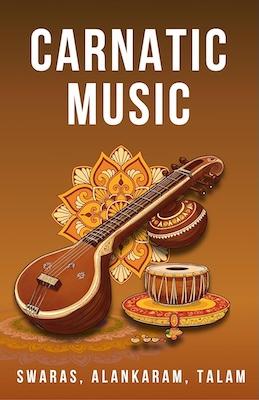
Learn Carnatic Music Online

Step into the rich world of South Indian classical music with our beginner Carnatic music course, guided by expert tutor Pradip Somasundaran. This online music class is designed for learners who want ...
0 Ratings  

Enlish, Tamil, telugu, hindi, Malayalam
preview
Type of class
1-To-1
Class Duration
45 Min
Recommended
2 class in a week
No. of classes
100-110
Location
Online
₹ 570 Fee/Class

Tutor

Pradip Somasundaran

(43 years Experience)

0 Reviews

Course Content

Step into the rich world of South Indian classical music with our beginner Carnatic music course, guided by expert tutor Pradip Somasundaran. This online music class is designed for learners who want to learn Carnatic music online and build a strong foundation in traditional vocal training, rhythm, and melody. Perfect for beginners, hobbyists, and aspiring vocalists, this course combines practical exercises, theoretical understanding, and guided listening to make learning both engaging and effective.

Introduction to Carnatic Music

The course begins with the basics of Carnatic music. Students are introduced to Swaras, the fundamental musical notes that form the backbone of every composition. Learning these notes develops pitch accuracy, voice control, and a deep understanding of melody. Early exercises focus on correct pronunciation, note clarity, and maintaining pitch consistency, which are essential skills for confident singing.

Mastering Varishakal and Rhythm

A key component of this online Carnatic singing class is the practice of Varishakal. These structured exercises train students in voice modulation, pitch control, and rhythmic accuracy. By practicing Varishakal regularly, learners develop the discipline required to perform smoothly, strengthen their voice, and gain better control over tempo.

Learning Simple Geethams

Once the basics are established, students progress to Simple Geethams. These short and melodious compositions combine Swaras and lyrics, introducing learners to structured singing. Online Carnatic music classes provide step-by-step guidance in singing these compositions, ensuring correct pronunciation, note clarity, and expression. This stage bridges technical skills with musical creativity, helping students develop confidence in performing complete pieces.

Understanding Ragas and Thalas

The course also covers the concept of Ragas, the melodic frameworks that set the mood and emotion of a composition. Students learn to recognize different Ragas and practice their characteristic patterns. Alongside Ragas, learners are introduced to Thalas, the rhythmic cycles that define the structure and tempo of Carnatic music. By understanding both melody and rhythm, students gain a holistic grasp of classical music fundamentals.

Advanced Compositions: Varnams and Krithis

As students progress, they explore Varnams, advanced exercises that integrate complex melodies and rhythmic patterns. This stage enhances both technical skill and musical expression. Finally, learners practice Krithis, devotional compositions that embody the essence of Carnatic music. Online Carnatic vocal training ensures students develop clarity, emotional expression, and stage readiness through these structured lessons.

Benefits of This Online Carnatic Music Course

By the end of this course, students will have a solid foundation in Carnatic singing, including theoretical knowledge and practical skills. They will gain the ability to perform simple Geethams, understand and apply Ragas and Thalas, and develop confidence for advanced music study. This online classical music course is perfect for anyone looking to learn Carnatic music online, improve voice control, and experience the joy of South Indian classical music from the comfort of home.

Enroll today in our online Carnatic music classes and begin your journey into the melodic, rhythmic, and expressive world of South Indian classical music.

#LearnCarnaticMusicOnline #OnlineMusicClasses #CarnaticSingingClasses #OnlineVocalTraining #OnlineClassicalMusicCourse #CarnaticMusicForBeginners #VocalTrainingOnline #LearnCarnaticSinging #OnlineMusicLessons #MusicEducationOnline

• FAQS

Questions? Answers.

Do you have any other question?

1. What will I learn in this beginner Carnatic music course?

+

In this beginner Carnatic music course, students learn the fundamentals of South Indian classical music, including Swaras (musical notes), Varishakal exercises, and simple Geethams. The course also introduces important concepts such as Ragas and Thalas. These online Carnatic music classes help learners develop pitch accuracy, rhythm control, and vocal confidence while building a strong foundation in classical singing.

2. Can beginners with no musical background join these online Carnatic music classes?

+

Yes, these online Carnatic music classes are designed specifically for beginners and hobbyists who want to learn Carnatic music online. The lessons start with basic vocal exercises and note training, making it easy for students with no prior music experience to gradually develop voice control, pitch accuracy, and rhythm understanding.

3. What are Swaras and why are they important in Carnatic music?

+

Swaras are the fundamental musical notes used in Carnatic music. Learning Swaras helps students develop pitch control, note clarity, and melodic understanding. In these online Carnatic singing classes, students practice Swaras regularly to strengthen their vocal ability and create a solid foundation for singing more advanced compositions.

4. How do Varishakal exercises improve vocal training?

+

Varishakal are structured vocal exercises that help improve pitch accuracy, rhythm, and voice control. Practicing these exercises during online Carnatic music lessons strengthens vocal flexibility and builds discipline in singing. They also prepare students to handle more complex musical patterns and compositions with confidence.

5. What are Geethams in Carnatic music training?

+

Geethams are simple melodic compositions that combine Swaras with lyrics. In this online Carnatic singing course, students learn Geethams to understand how musical notes come together in a complete song. These compositions help beginners practice melody, rhythm, and expression while improving their overall singing ability.

6. Will I learn about Ragas and Thalas in this online music course?

+

Yes, the course introduces students to the concepts of Ragas and Thalas, which are essential elements of Carnatic music. Ragas define the melodic structure of a composition, while Thalas represent rhythmic cycles. Understanding these concepts helps learners develop a deeper appreciation for classical music and improve their performance skills.

7. How long does it take to learn the basics of Carnatic singing online?

+

The time required to learn Carnatic singing depends on regular practice and dedication. With consistent participation in online Carnatic music classes, beginners can start mastering basic Swaras, Varishakal, and simple Geethams within a few weeks. Continued practice helps learners gradually build stronger vocal skills and musical understanding.

8. What makes this online Carnatic vocal training course unique?

+

This online Carnatic vocal training course combines live guidance, structured lessons, and practical exercises under the mentorship of expert tutor Pradip Somasundaran. Students receive step-by-step instruction and personalized feedback, helping them learn classical singing techniques effectively while enjoying a flexible online learning experience.

9. Do I need special equipment to join the online Carnatic music classes?

+

To join the online Carnatic music classes, students only need a stable internet connection, a quiet practice space, and a device for attending sessions. Using a basic tanpura app or shruti box can also help learners maintain pitch accuracy during vocal practice at home.

10. Can learning Carnatic music online help with future musical opportunities?

+

Yes, learning Carnatic music online builds strong vocal and theoretical foundations that can support further classical music training. Students may pursue advanced vocal studies, perform at cultural events, participate in music competitions, or explore teaching opportunities as they continue developing their musical skills.